SSP News
November 18, 2026
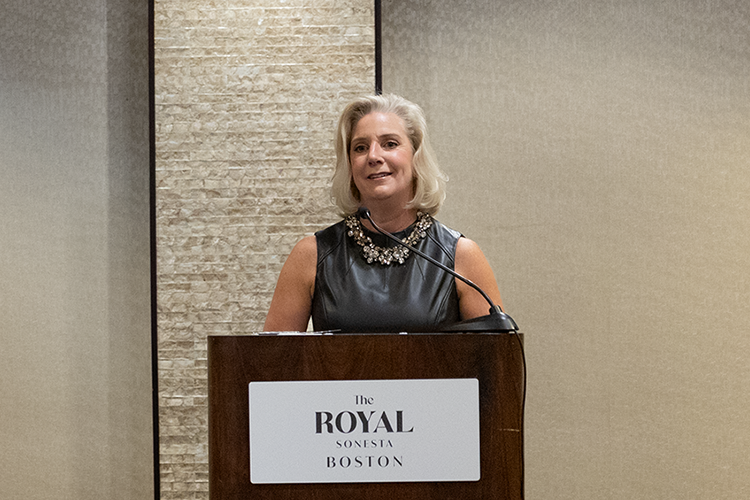
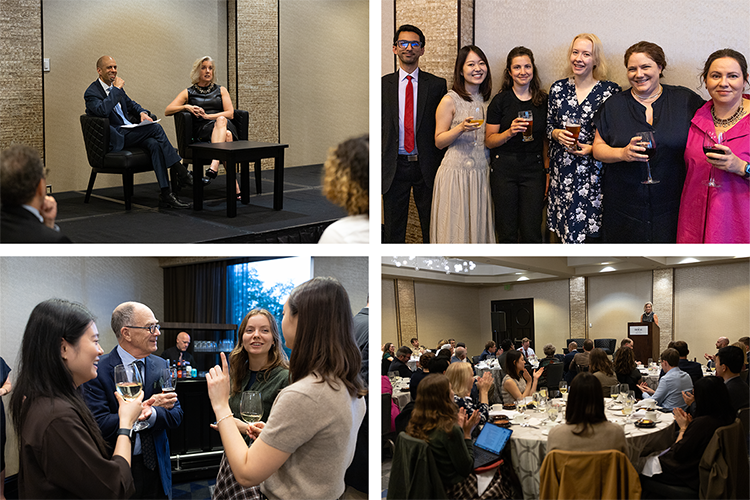
On October 14, SSP held the annual Jack Ruina Nuclear Age Dinner at the Royal Sonesta in Cambridge, MA. The dinner series, endowed by Professor Jack Ruina, former Director of the MIT Security Studies Program (then Defense and Arms Control Studies), features a prominent speaker with special knowledge of nuclear issues. This year’s guest speaker was the Honorable Christine Wormuth, CEO of the Nuclear Threat Initiative. Ms. Wormuth has spent over 30 years in the national security space both inside and outside of government. In her most recent government post, she served as the United States Secretary of the Army from 2021-2025. She also held numerous senior positions in the Department of Defense including Under Secretary of Defense for Policy from 2014 to 2016 and Deputy Under Secretary for Strategy, Plans, and Forces. Outside of government, she previously worked at RAND as the Director of the International Security and Defense Policy Center and the Center for Strategic and International Studies as a senior fellow.
In her remarks and subsequent Q&A session, Ms. Wormuth addressed two dimensions that make this nuclear age particularly dangerous: heightened proliferation risks from both allies and adversaries and the potential for tripolar arms racing by the United States against both Russia and China. She noted that current U.S. actions towards its allies are driving allied proliferation risks by creating anxiety over the credibility of U.S. extended deterrence. Speaking on the possibility of an arms race with China and Russia, Ms. Wormuth cautioned that continued misperception, particularly between the United States and China, could create a self-fulfilling prophecy of an arms race. She emphasized the importance of track II dialogues in creating more open and creative communication and cooperation between governments to counter this danger. Ms. Wormuth concluded her remarks by speaking about the central but underappreciated role of nuclear security across various national security challenges and called on MIT students and researchers to bring their expertise on nuclear issues to careers in government.