
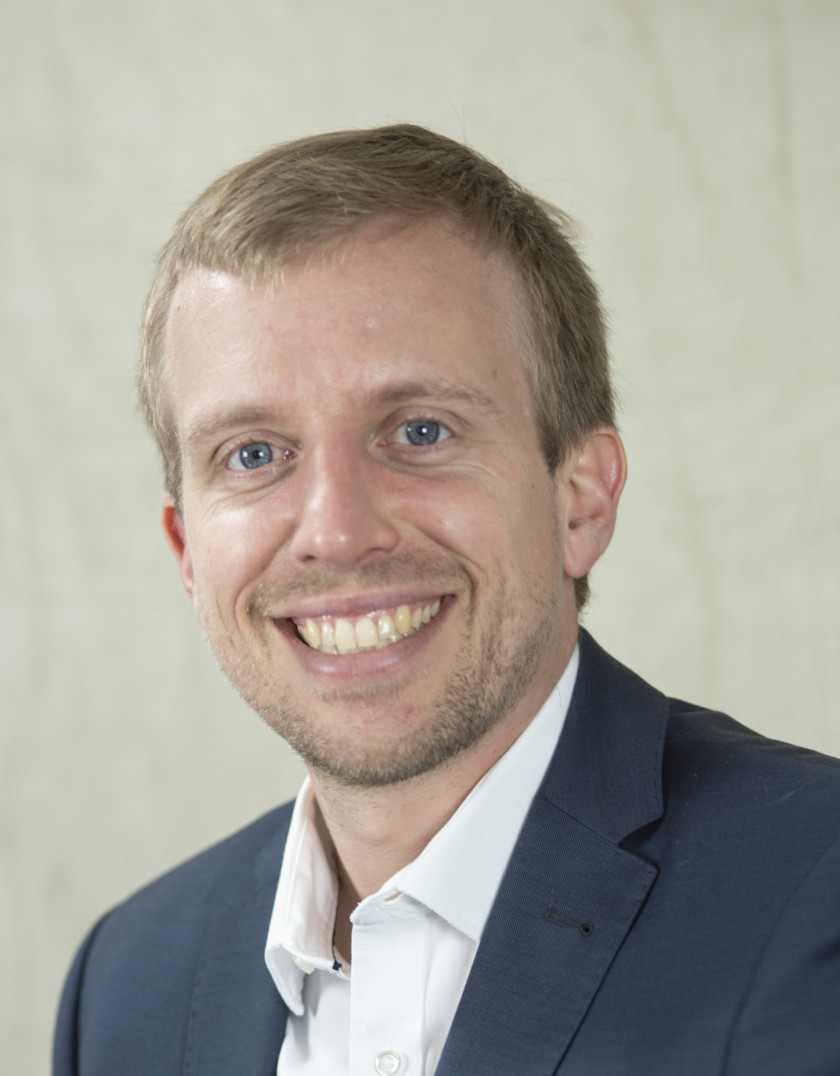
Lennart Maschmeyer
Georgia Institute of Technology
October 14, 2026 12:00-1:30pm E40-496
Summary:
Many have predicted that AI will revolutionize cyber conflict by enabling offense automation for faster, stealthier, and more damaging attacks. But the revolution has not happened, even though highly capable AI models have been available for several years. The article that Professor Maschmeyer presents in this seminar explains why: There is a gap between defense and offense when it comes to the limits on what AI can do. Cyber offense requires creative deception to burrow into systems and produce desired effects before being discovered. Cyber defense, by contrast, strives to detect such intrusions before they cause harm. AI models struggle with the creativity and deception necessary for offensive operations, but they excel at the pattern recognition that is key for defensive operations - and this relative advantage of defensive tasks increases as the stakes increase.
Bio:
Lennart Maschmeyer is an Assistant Professor at the Jimmy and Rosalynn Carter School of Public Policy at the Georgia Institute of Technology. His research, broadly, examines how emerging technologies shape international security. Specifically, he has been investigating the subversive nature of cyber conflict, its strategic role, limitations, and impact–both material and cognitive. His current research tests how advances in AI impact strategic competition and outcomes in cyber conflict. Dr. Maschmeyer holds a PhD in Political Science from the University of Toronto and an MPhil in International Relations from the University of Oxford.