
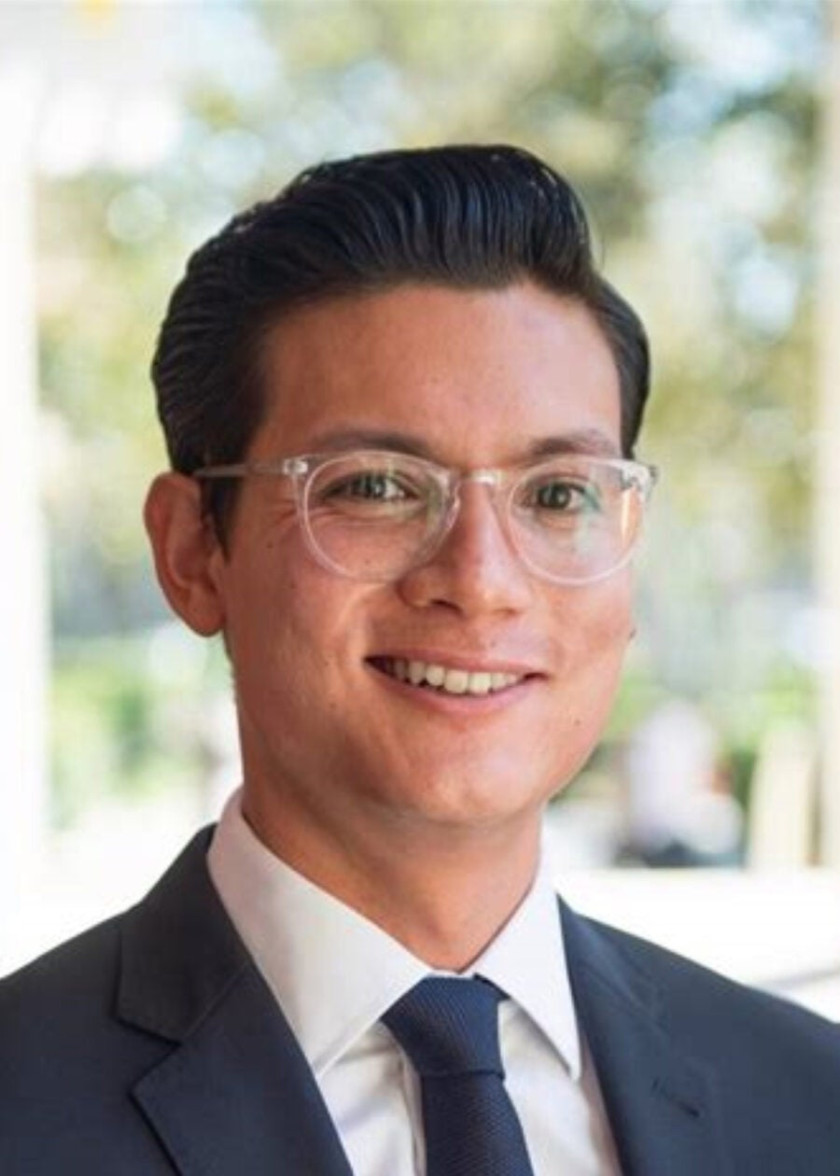
Jonathan Markowitz
USC Dornsife
April 15, 2026 12:00-1:30pm E40-496
Summary:
Do US alliance commitments and the provision of international order generate economic benefits greater than their costs? America First argues that they do not and proposes cutting costly commitments. In this seminar, Professor Markowitz will argue that this answer to the question of U.S. global engagement is incorrect. US wealth and power—both today and in the future—are closely tied to global economic growth. This growth, in turn, depends on the US provision of international order. Professor Markowitz argues that if Washington had not provided this order and, as a result, American annual growth had slowed by just a quarter point, the present value loss would have exceeded $21 trillion in 1949. Using data on the costs the United States has incurred since 1949 to protect its allies and uphold this order, the research finds that the benefits of higher growth have dramatically outweighed the costs. Professor Markowitz argues that the key channel through which U.S. alliances and the provision of order generate costs and benefits is via their effect on the growth rate. Existing studies have severely underestimated the gains from these alliances and this order because they have not considered these effects.
Bio:
Jonathan Markowitz is an associate professor in the Political Science and International Relations Department at the University of Southern California where he is also the Co-Founder of both the Security and Political Economy Lab and U.S.-Asia Grand Strategy Pre-Doctoral Fellows Program. His research explores how economics interacts with politics to influence states’ foreign security interests, grand strategy and whether and why they choose to arm and engage in military competition. He is the author of Perils of Plenty: Arctic Resource Competition and the Return of the Great Game (Oxford, UK: Oxford University Press 2020). He has also published broadly on issues related to the political economy of security including power projection, grand strategy, great power conflict, the political implications of climate change, and resource competition. This work has been published in International Organization, International Studies Quarterly, The Journal of Peace Research, and Journal of Conflict Resolution, among other journals. Jonathan obtained his PhD in Political Science at the University of California, San Diego, in 2014.